Product Types
SMARTE VENTURES PVT LTD (formerly Shree Madhav Agencies Pvt. Ltd.) manufactures tin-zinc wire in two commonly used compositions:
- 70% tin / 30% zinc
- 80% tin / 20% zinc
The alloy has good mechanical strength and good solderability. Good mechanical strength lets the wire feed steadily through a spray gun. Good solderability lets lead wires be attached securely to the sprayed end layer afterwards.
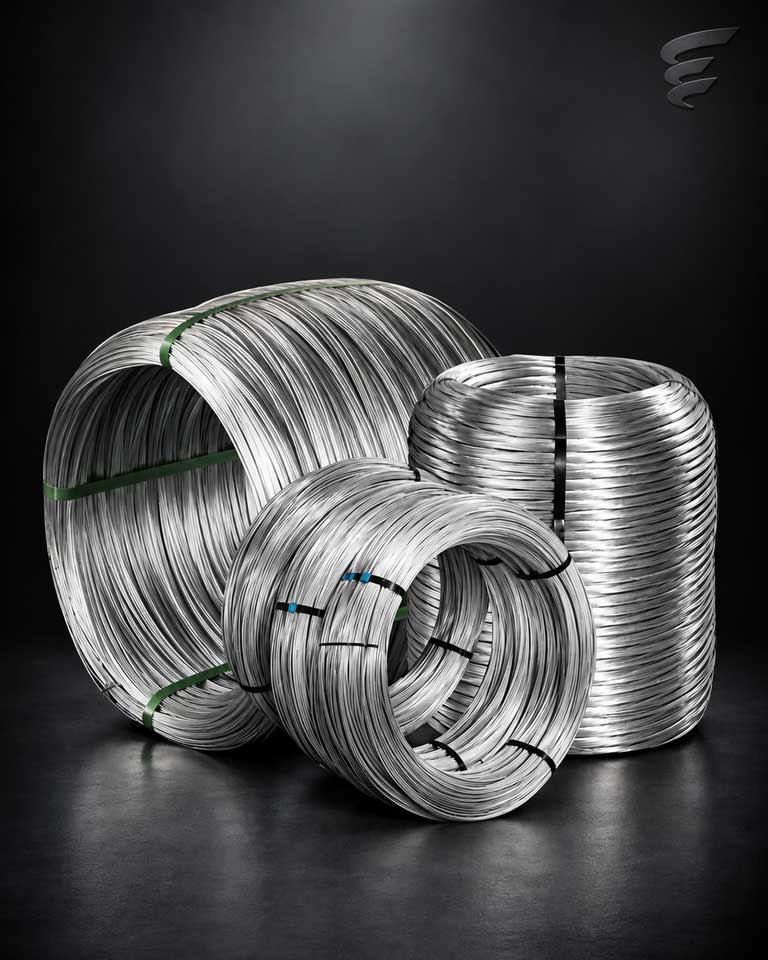
The tin-zinc range comes from SMARTE’s tin, zinc and lead alloy heritage through our founder company, Shree Smelting. The wire is supplied in coils or spools of continuous length.
Product USP / Benefits
- Two standard compositions: 70/30 and 80/20 Sn-Zn, for different spray and contact requirements.
- Good mechanical strength: Supports steady feed in metal-spraying equipment.
- Good solderability: Lead wires can be attached to the sprayed layer.
- Lead-free alloy: Tin and zinc only in the stated compositions.
- Continuous length: Supplied in coils or spools, which reduces re-spooling and splice stops during spraying.
- Custom compositions and sizes on request, subject to confirmation.
- Backed by metallurgy heritage: Tin and zinc alloy experience from Shree Smelting, a 45-year name in tin and lead products.
Certifications & Standards
- RoHS: The alloy contains no lead as a stated element, which supports RoHS compliance. A product-specific declaration is available only if you hold one.
- Company-level certifications (not product-specific): ISO 9001:2015, ISO 14001, CE, RoHS compliant.
The brochure names no standard for tin-zinc wire, so none is claimed.